NanoPolix Car Cloth Review: The $30 Cloth That Fixed a Walmart Parking Lot Scratch in 60 Seconds
發布日期|2026.06.10
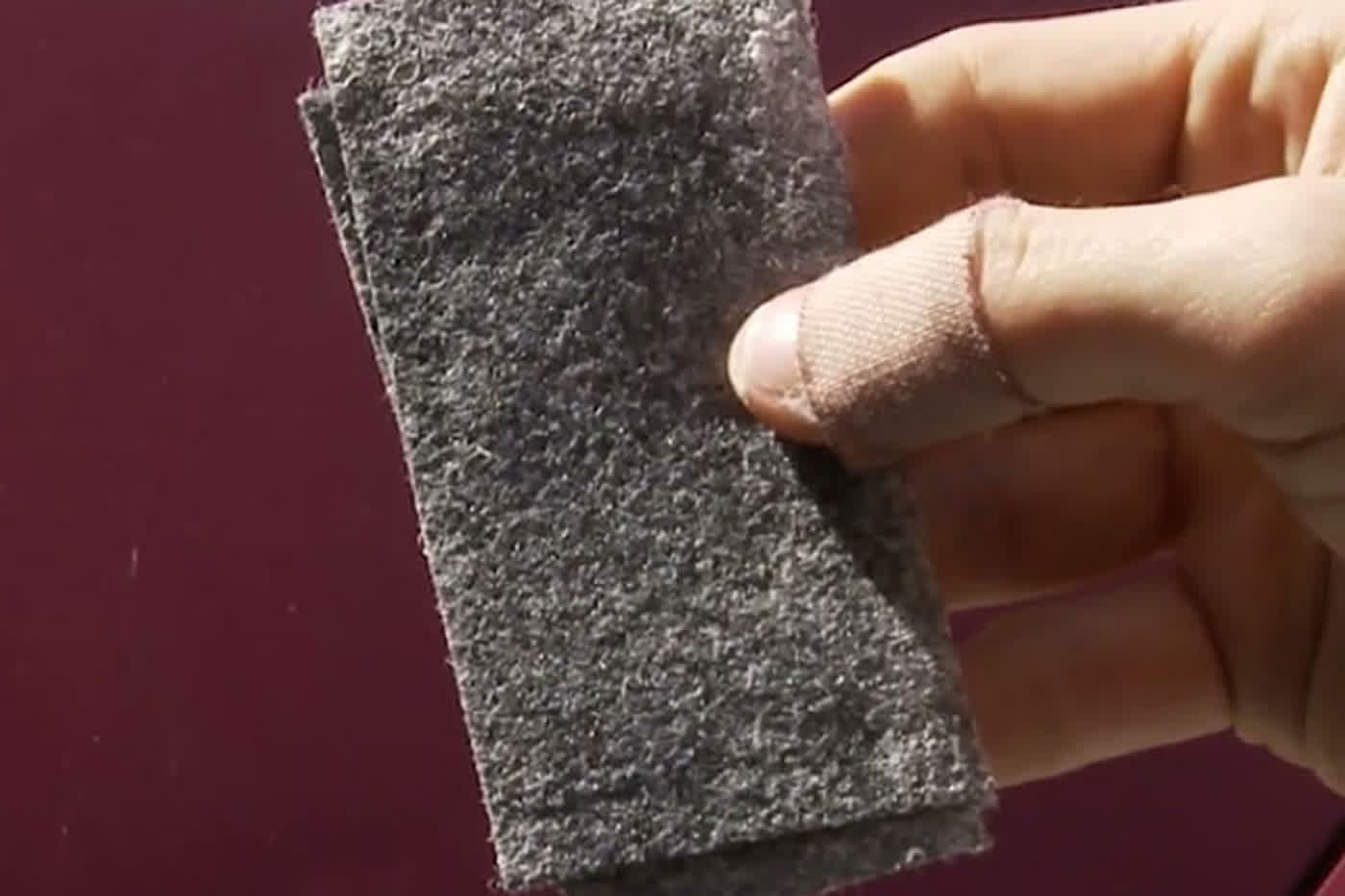
NanoPolix boldly markets its flagship product as "The Magic 60-Second Fix for All Car Scratches." I do not believe in magic, and I certainly do not believe any single product can fix all automotive paint damage.
My skepticism regarding miracle automotive cures is well-documented. Too many direct-to-consumer detailing products rely on heavy fillers that wash away after the first rainstorm, leaving you exactly where you started.
But a recent, infuriating encounter with an errant shopping cart in a Walmart parking lot forced my hand. Two local body shops quoted me over $280 to address a glaring surface scuff on my driver-side door. I decided to test this $30 cloth against the corporate hype.
Before we dive into the granular data of my testing, you can verify current availability on the official store.
The manufacturer claims this cloth utilizes a "nano-metal powder" combined with active polishing agents to permanently repair paint. In my testing, I found this description to be mostly accurate, albeit wrapped in heavy marketing jargon.
Automotive paint consists of a base color topped with a protective clear coat. When a stray key or branch hits your car, it usually only gouges that top clear layer. The NanoPolix cloth works by physically breaking down the edges of that microscopic canyon and fusing its own nano-particles into the gap.
It acts as a highly specialized, localized leveling agent. It is designed specifically for light scratches, surface oxidation, and minor scuffs.
My only quibble is the brand's insistence that it removes "all" scratches. If a scratch has breached the clear coat and exposed the bare metal or white primer beneath, this cloth will do absolutely nothing for you.
The packaging is purely functional, offering zero unnecessary frills. You receive a sealed pouch containing the pre-treated cloth, ensuring the chemical agents remain active and moist during shipping.
The cloth itself feels dense and heavily saturated. It possesses a distinct chemical weight, indicating it is loaded with the proprietary non-abrasive lubricants required to protect the surrounding paint during friction.
The physical instructions are refreshingly brief. They mandate a simple three-step process: clean the surface, rub the cloth in small circles, and wipe away the residue. You can view the complete technical specifications on their official site if you want a deeper look at the chemical makeup.
I subjected the NanoPolix cloth to a direct, real-world trial on a fresh, highly visible cart scuff. The scratch was approximately four inches long, starkly white against my dark paint, but shallow enough that my fingernail did not catch inside the groove.
I washed and dried the affected panel completely to prevent grinding ambient dirt into the clear coat. I applied firm, circular pressure exactly as the instructions dictated. Within 45 seconds, the visual evidence of the scratch began to aggressively fade.
By the 60-second mark, the scuff was entirely gone. I wiped the area with a clean microfiber towel, expecting to find a hazy residue or a dull patch where the clear coat had been thinned. There was nothing but a flawless, highly reflective factory finish.
The results were undeniably impressive. It performed exactly as advertised for this specific category of surface damage.
After the parking lot success, I expanded my testing perimeter to other common automotive blemishes. The cloth successfully obliterated the tiny, irritating fingernail scuffs that accumulate behind door handles.
It also proved remarkably effective against localized surface oxidation. I tested it on a patch of dull, chalky clear coat on a ten-year-old hood, and two passes completely restored the original gloss.
However, it failed entirely on a deep rock chip near my front bumper. The nano-particles require an existing clear coat structure to bind with; missing paint cannot be magically regenerated.
Based on my head-to-head comparisons, the NanoPolix cloth is the absolute best option for the everyday driver dealing with minor cosmetic annoyances. If your vehicle suffers from branch scrapes, key marks, or stubborn bird-dropping stains, this tool will save you hundreds of dollars.
It is also an excellent stop-gap measure for individuals preparing a leased vehicle for return inspection. The repair is permanent, meaning it will easily pass a dealership walk-around without raising red flags.
For those looking to handle minor aesthetic issues immediately without scheduling a shop visit, you can claim the available discount directly here.
Do not purchase this cloth if your vehicle has suffered deep, structural paint damage. If you can clearly see gray primer or bare steel, you require touch-up paint and a professional leveling compound, not a nano-cloth.
It is also not a substitute for a full-body mechanical polish. If your entire vehicle is covered in heavy swirl marks from years of automated car washes, using a single cloth by hand is a mathematically absurd endeavor.
The advantages of the NanoPolix system are heavily weighted toward convenience and economic efficiency. It is undeniably faster and safer than traditional liquid rubbing compounds.
The non-abrasive formula is its greatest strength. Traditional compounds require immense technical skill to avoid burning through your paint, whereas this cloth makes catastrophic user error virtually impossible.
The primary disadvantage is its finite lifespan. The cloth is only reusable as long as the chemical agents remain moist and uncontaminated by heavy grit.
You can expect multiple repairs from a single cloth, provided you adhere to strict storage hygiene. Once the cloth dries out, its structural utility drops to zero.
After repairing a scratch, you must immediately return the cloth to its airtight, resealable pouch. I highly recommend storing it in a climate-controlled environment like a glovebox rather than a blistering hot trunk.
If you drop the cloth on the ground, throw it away immediately. A single grain of microscopic sand trapped in the fibers will turn your repair tool into a destructive piece of sandpaper.
When evaluated against traditional liquid scratch removers, NanoPolix offers a vastly superior user experience. Liquid compounds are messy, require precise foam applicator pads, and often leave a stubborn white haze on dark-colored paint.
Against touch-up paint pens, the cloth is safer and less noticeable. Paint pens rarely match factory colors perfectly and almost always leave a raised, uneven physical blob on the panel.
The NanoPolix cloth simply repairs the existing architecture of your paint. It acts more like a microscopic welder than a bucket of spackle.
The NanoPolix Car Cloth is an overwhelmingly successful solution for a very specific problem. It is not magic, but it is highly effective chemistry.
If you understand its limitations and only apply it to clear-coat-level damage, it easily justifies its asking price. It spared me a $280 body shop bill for a measly $30 investment.
I consider it a mandatory addition to any realistic car owner's glovebox. To secure one for your own vehicle, check out the exclusive bundles available today.
You must exercise extreme caution regarding where you source this product. The market is currently flooded with counterfeit dry cloths masquerading as nano-technology.
The proprietary chemical binding agents are only guaranteed if purchased through the verified manufacturer channel. Do not trust third-party marketplace sellers with the health of your vehicle's paint.
The manufacturer frequently runs substantial promotions to move inventory directly. You can safely secure the legitimate product at a significant markdown here.
We spend tens of thousands of dollars on our vehicles, only to let a rogue shopping cart dictate our daily stress levels. Taking control of minor cosmetic maintenance is a strategic financial decision.
The NanoPolix cloth strips the mystery out of paint correction. It delivers a fast, verifiable, and measurable result without requiring a weekend of manual labor.
My wallet is significantly heavier, and my driver-side door looks immaculate. That is an empirical win in my book.